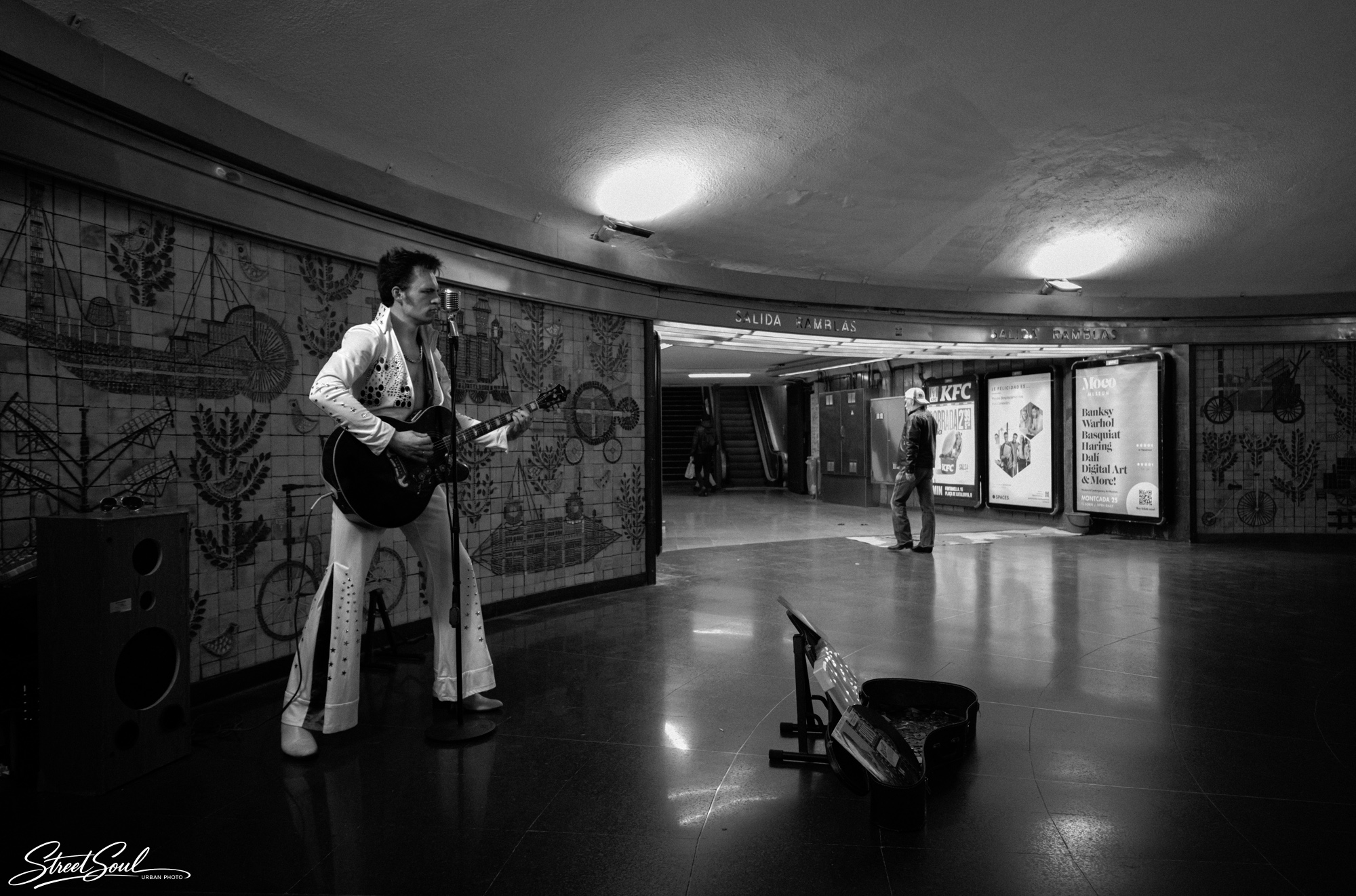


I have a talent for waiting without looking like I’m waiting. Which, in street photography, is less a charming personality trait and more a survival mechanism. Anyone can walk quickly, press a shutter, and pretend instinct did the work. Patience is another matter. Patience means standing in a place that seems visually unremarkable, trusting that light, gesture, shadow, or sheer human absurdity will eventually do something worth your time. Most people get bored. I get interested. The street always cracks open in the end, usually just after it has convinced everyone else there is nothing to see.
This ability is not glamorous. It does not sound impressive at dinner, and it certainly does not help with bureaucratic forms, delayed trains, or websites that insist on “optimizing the user experience” by hiding the one button you actually need. But in photography, and probably in life, it matters. Waiting teaches you to stop forcing reality into your own timetable. It reminds you that the world does not perform on command, which is inconvenient, obviously, if you enjoy control or delusions. I enjoy both, so the lesson is useful.
The skill I sometimes wish I had is the opposite: the ability to enter any social situation with immediate ease, to talk to anyone, anywhere, without that small inner negotiation beforehand. Not because I want to become one of those people who treats every stranger like an unpaid audience, but because there is a kind of freedom in effortless human contact. Street photography lives between distance and connection. You observe, but you also participate. You disappear, but not entirely. To move through that border with total naturalness would be a gift. Until then, I’ll keep relying on the older craft: watching carefully, waiting longer than is reasonable, and trusting that the world, sooner or later, will betray itself beautifully.