

For a long time I confused “having an online presence” with “taking photos and posting them.” That’s it. As if the universe owed me an audience just because I also shoot black and white, have a Leica M, and hold strong opinions about contrast. Spoiler: it doesn’t owe you anything.
My “failure” wasn’t some spectacular wipeout. It was much more embarrassing: the sum of small, scattered decisions that made the whole thing go nowhere. I posted when I could, on different platforms, with bios that didn’t tell quite the same story, with links that kept changing, and with a website that didn’t turn curiosity into anything concrete (no contact, no follow, no “ah, this person has a point of view”). It was like putting on an exhibition and forgetting to add a door.
The worst part is that, on the surface, it didn’t look like a disaster: there were likes, a comment here and there, the occasional dopamine spike. But it was the kind of “success” that didn’t accumulate. A stream. And a stream, if you don’t channel it, goes straight down the drain.
That’s what set me up for the kind of success that isn’t sexy but actually works: accepting that I needed a system, not inspiration. I went from “posting whenever it suits me” to a short but fixed weekly routine, separating production (selection, editing, export, and text) from distribution and community (batch posting, commenting with intent, and minimally measuring what happens). It’s literally building a machine so your energy doesn’t get wasted arguing with your calendar every week.
And the key change wasn’t posting more. It was posting in a more connected way.
I realized a single photo is a spark; a series is a piece people can remember and share. That’s why I started thinking in terms of series pages on the website, a “Start here” that explains in five seconds what I do and where to go next, and the unglamorous but decisive details like descriptive alt text (yes, writing what’s in the photo, like a functioning adult) so the site isn’t just a silent display case.
It also forced me to be honest about my narrative. If I shoot street in monochrome with an M10 Monochrom and also with film, the homepage can’t sound like I’m “film-only” one day and “digital-only” the next. Consistency isn’t about pleasing people: it’s so nobody has to solve a puzzle just to understand you.
The funniest part is that this “failure” made me a better photographer, not just a better poster. When you have a system, you quickly notice which images hold up to a second look (the ones that can carry a series) and which ones only work as fast sugar. And that changes how you edit, how you select, and even how you wait on the street: you stop hunting for “one good photo” and start hunting for an idea with legs.
In the end, the failure was believing the world would find my work; success started when I made finding it easy… and gave people a reason to stay.
The city doesn’t owe you attention; but it hands you scenes every day, and that’s already plenty.
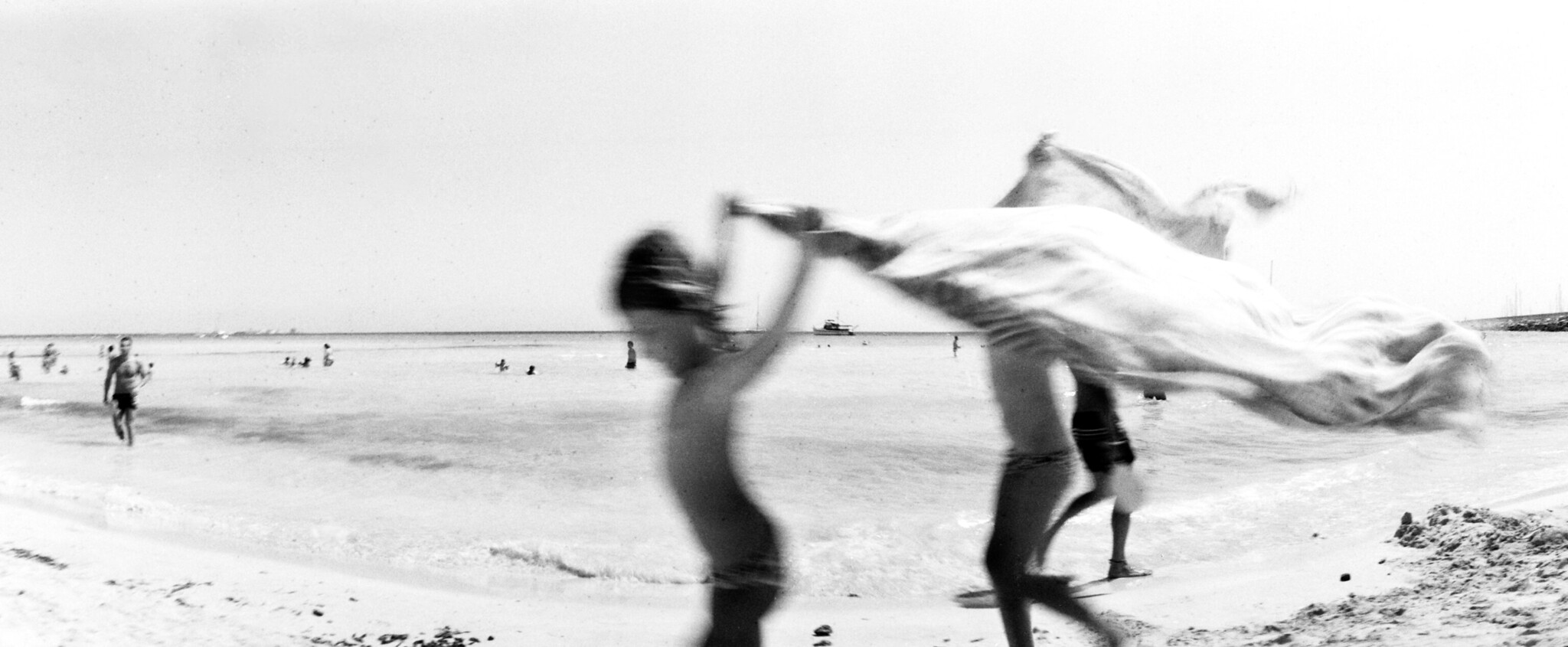
Technical: Horizon S3 Pro.
Leave a Reply